TruPoint Doctor Blades
Find the Best Fit for Your Printing or Coating Needs
Customer Testimonials
Printers switch to TruPoint doctor blades to improve print quality, reduce anilox wear, and increase pressroom safety.


Doctor Blade Resources
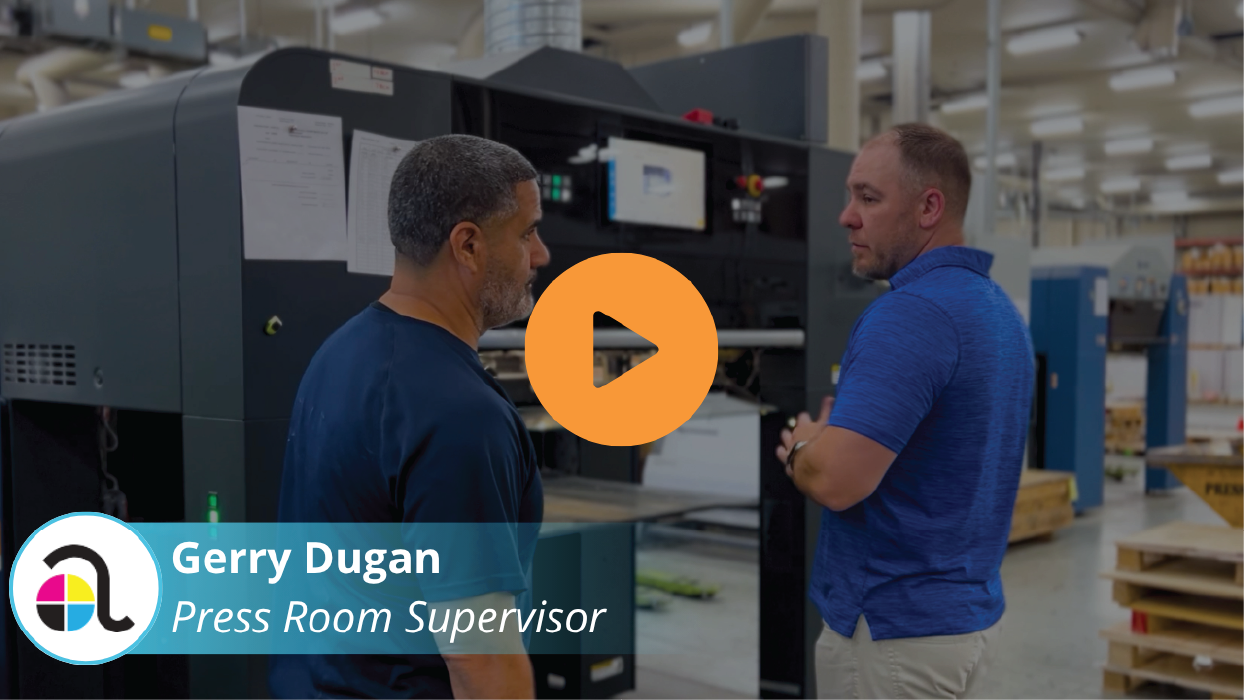
Guides, comparisons, and safety information to help you choose and use doctor blades with confidence


Frequently Asked Questions
A doctor blade in flexographic printing is a thin, flexible strip, typically made from steel or polymer, that meters the amount of ink carried by the anilox roll. The anilox roll is a precision-engraved cylinder that holds a measured volume of ink in thousands of tiny cells. As the roll rotates through the ink fountain, the doctor blade presses against its surface and wipes away excess ink, leaving ink only in the engraved cells. This metering step directly controls how much ink transfers to the printing plate and ultimately to the substrate.
Polymer doctor blades, such as the TruPoint line from Flexo Concepts, have replaced traditional steel blades in many pressrooms because they eliminate anilox roll scoring, improve pressroom safety by removing sharp metal edges, and last significantly longer than steel under normal printing conditions.
Steel and polymer doctor blades differ in three key areas: safety, anilox protection, and blade life. Steel doctor blades are rigid, inexpensive, and provide excellent initial metering, but their hard metal edge scores and damages anilox roll surfaces over time. Steel blades also create a significant safety hazard: lacerations from handling steel doctor blades are one of the most common pressroom injuries.
Polymer doctor blades, such as TruPoint blades from Flexo Concepts, are made from engineered plastic materials that are softer than the chrome surface of anilox rolls. This means polymer blades clean the roll surface without scoring it. Polymer blades also eliminate the pressroom safety risk of sharp metal edges and typically last two to four times longer than steel blades in comparable applications. The trade-off is that polymer blades cost more per unit — but the extended life and anilox protection produce a lower total cost of ownership.
Polymer doctor blades typically last two to four times longer than steel doctor blades in comparable flexographic printing applications. The exact lifespan depends on application type, press speed, ink chemistry, and the specific polymer blade used.
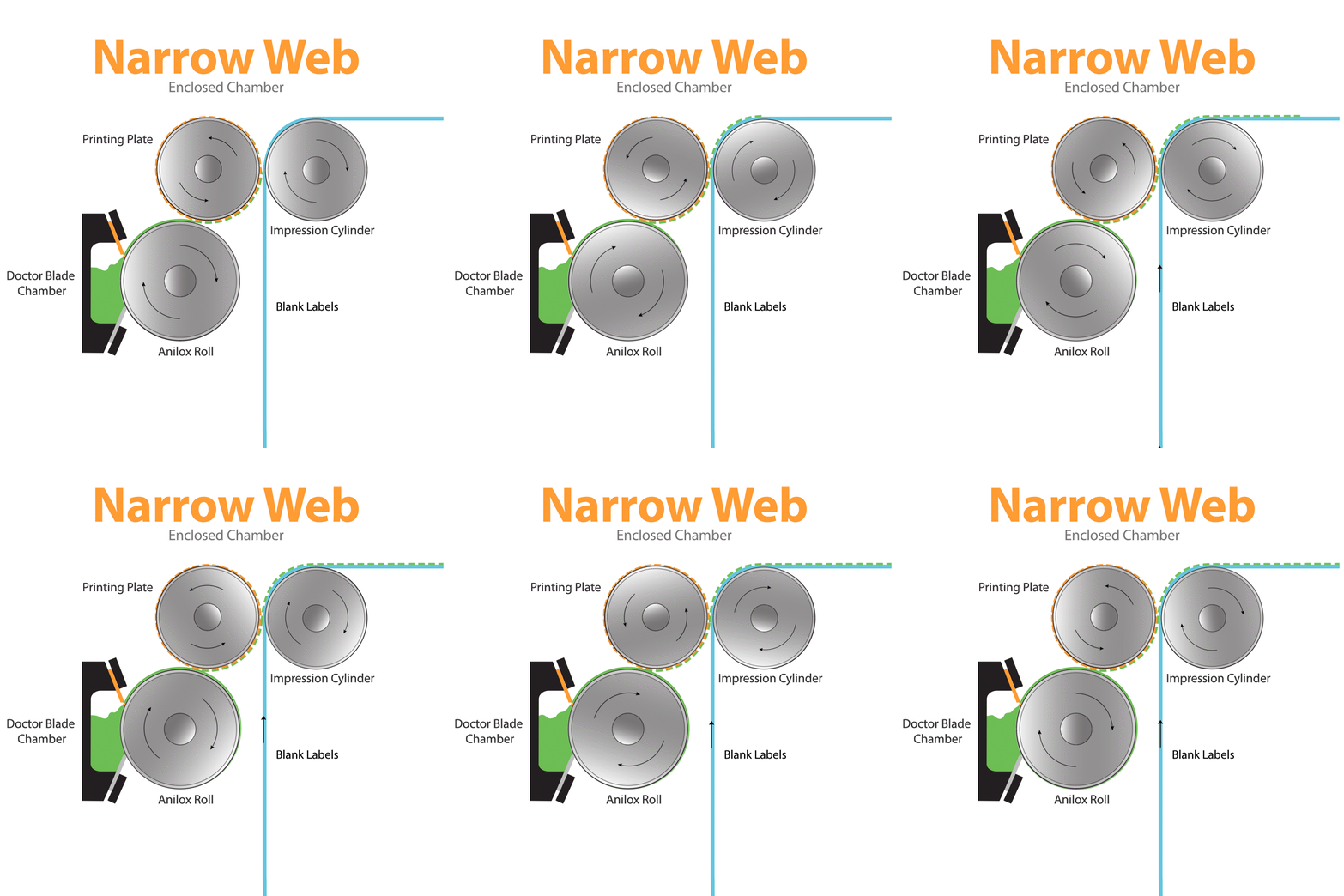
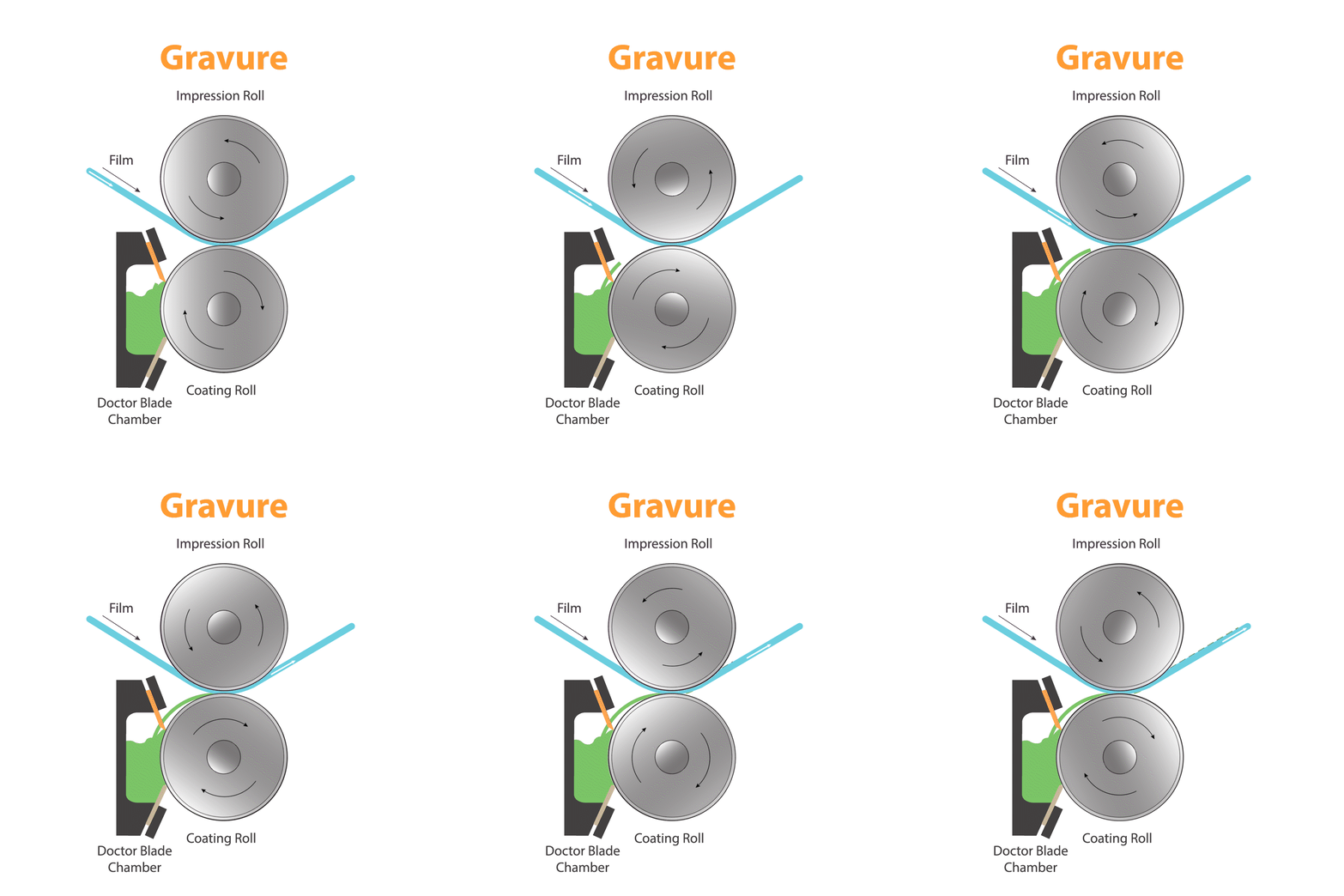
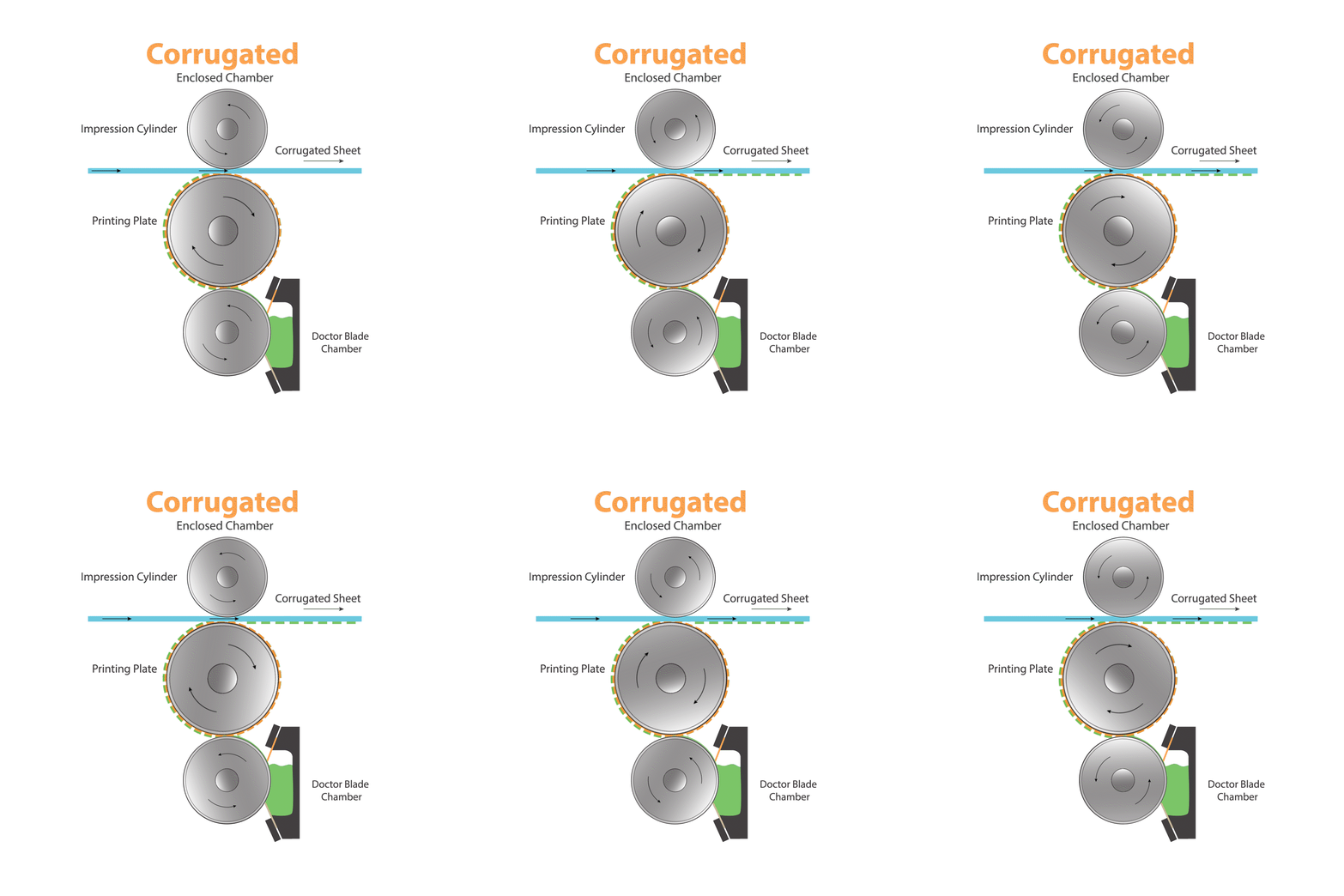
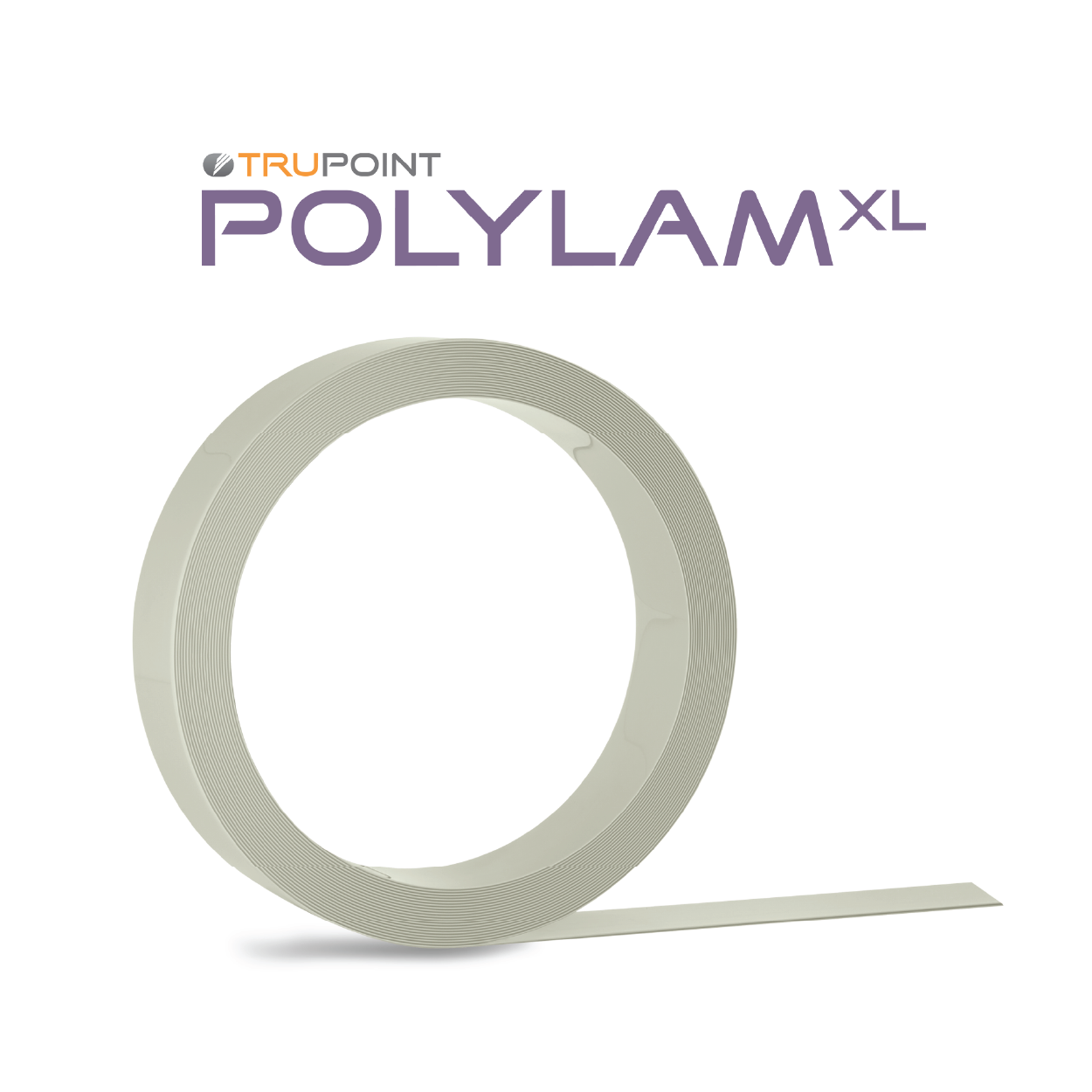
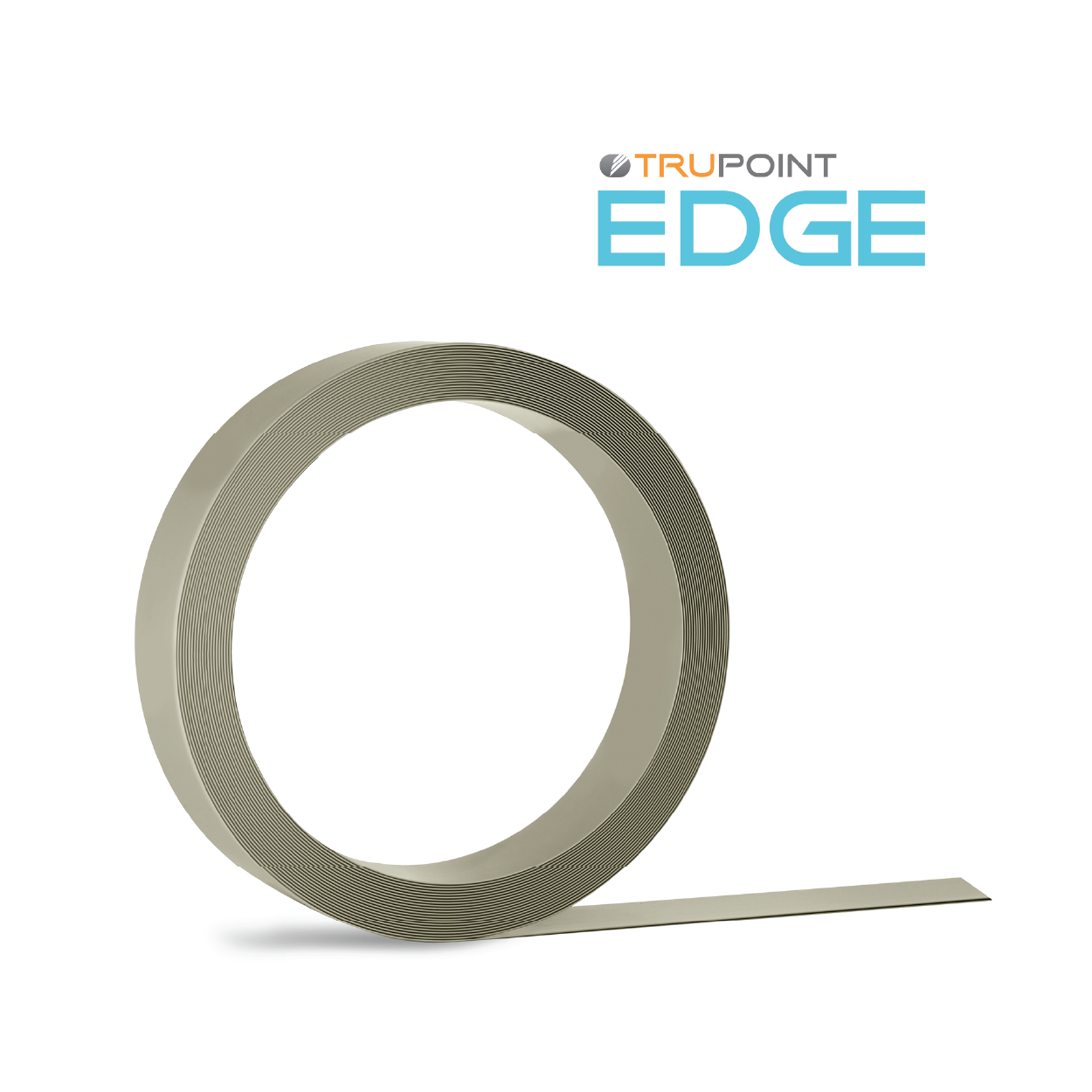
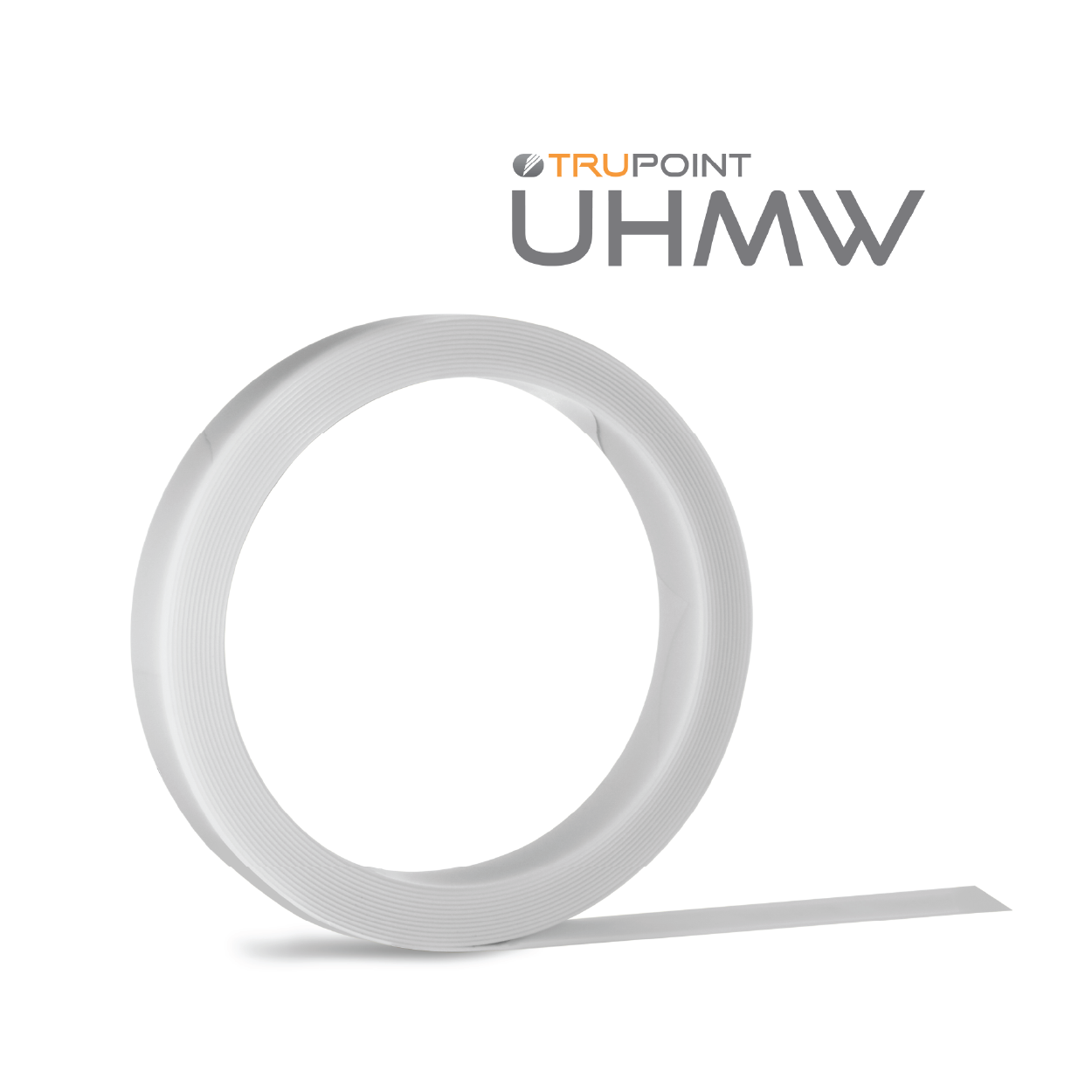
TruPoint polymer blades from Flexo Concepts are engineered for specific applications. In narrow web label printing, PolyLam XL provides consistent performance on high-speed lines where steel would degrade rapidly from adhesive and coating chemistry.In corrugated applications, UHMW and Plasteel blades extend run times significantly on wide-face anilox systems. In coating and lamination, TruPoint Orange and Edge blades routinely run weeks between changes versus daily or every-other-day steel blade changes.
The longer blade life reduces material costs, lowers change-over downtime, and decreases press operator exposure to sharp steel, delivering measurable ROI beyond just the blade purchase price.
Doctor blades are used in any industrial process that requires precise metering or wiping of a fluid from a roller surface.
- In flexographic printing, doctor blades meter ink on anilox rolls to control how much ink transfers to the printing plate and substrate.
- In narrow web label printing, doctor blades manage precise ink metering at high speeds for consistent dot reproduction.
- In wide web printing, doctor blades handle high-volume ink delivery across wide-format presses.
- In corrugated packaging, doctor blades manage high ink volumes across wide-face anilox rolls under heavy press loads.
- In coating and lamination, doctor blades control the thickness of adhesives and coatings applied at high speed. In sheetfed offset printing, doctor blades meter dampening solution and specialty coatings.
- In digital printing, doctor blades control fluid application in hybrid and inkjet-assisted systems. In lithium-ion battery manufacturing, doctor blades coat electrode materials onto foil substrates with precise thickness tolerances.
TruPoint polymer doctor blades from Flexo Concepts serve all of these applications, replacing steel to eliminate anilox scoring, improve safety, and extend blade life.
Yes. TruPoint polymer doctor blades from Flexo Concepts are designed for use with all blade holders, including in enclosed chamber blade systems Chamber blade systems use two doctor blades, a metering blade and a containment blade, mounted in a sealed chamber that holds the ink against the anilox roll.
Polymer blades are particularly beneficial in chamber systems because steel blades in enclosed chambers are the primary cause of UV ink spitting. When a steel blade scores the anilox roll surface, ink escapes from the damaged cells in a fine mist that contaminates the substrate and surrounding press components. TruPoint polymer blades eliminate the steel-on-chrome scoring that causes this problem, making them the preferred choice for UV ink printing in chamber configurations.
Doctor blade scoring on anilox rolls is caused by the harder metal edge of a steel blade cutting into the softer chrome or ceramic coating of the anilox roll surface. The scoring appears as fine, parallel lines running across the roll face. Once scored, the damaged cells can no longer hold their calibrated ink volume, causing inconsistent ink metering, streaks, and color variation in print.
Scoring is accelerated by excessive blade pressure, incorrect blade angle, blade debris contamination, and worn or chipped blade tips. A heavily scored anilox roll requires professional laser engraving or replacement — an expensive repair that often costs more than the total blade budget for an entire year.
TruPoint polymer doctor blades prevent scoring because the polymer material is softer than the anilox roll surface. The blade cleans the roll without cutting into it — even under normal pressure variations and misalignment that would score a steel blade.
Flexo Concepts offers a free doctor blade trial program that allows flexographic printers to test TruPoint polymer blades on their presses before committing to a purchase. The trial includes blade samples cut to your press specifications, technical support from a Flexo Concepts application specialist, and installation guidance to ensure proper blade angle and pressure setup.
To request a free trial, use the contact form on this page, call Flexo Concepts directly, or submit a request through the free trial page at flexoconcepts.com/free-trial. Provide your press type, current blade type and width, and your primary application (narrow web, corrugated, or coating and lamination). A Flexo Concepts representative will respond within one business day to coordinate your trial blades.