Solutions for Narrow Web Printing
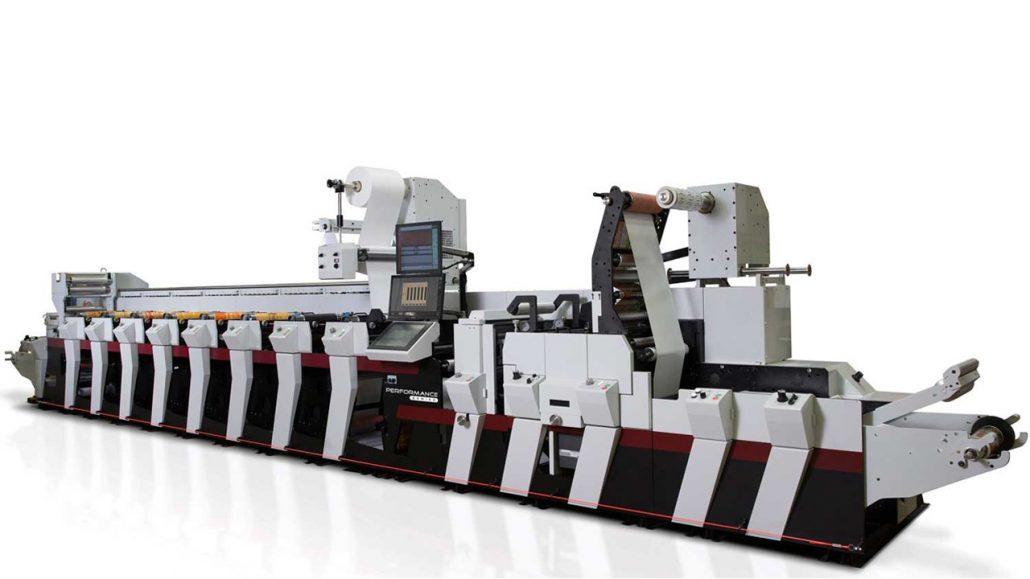
Flexo Concepts redefined the use of plastic doctor blades for narrow web printing with the introduction of is MicroTip profile in 2014. Until that point, steel was the only doctor blade material available for printers who made food & beverage, pet food & care, medical & pharmaceutical, chemical product, textiles & apparel, health & beauty, or cosmetics packaging. As the narrow web printing industry continues to evolve Flexo Concepts has kept pace with continued innovation for the market sector.

UV Ink Spitting & Anilox Scoring
In addition to addressing everyday needs, TruPoint doctor blades consistently solve two problems that have long plagued narrow web printers ; anilox roll scoring and ink spitting. Using plastic doctor blades eliminates steel particulate, one of the leading causes of anilox roll scoring. Plastic doctor blades can also reduce or eliminate ink spitting with UV inks because of the higher surface energy of the polymer material.
Common Doctor Blade Configurations
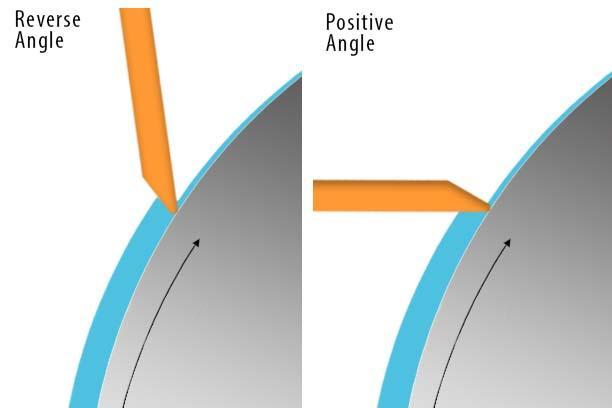
Narrow-web presses typically utilize a single, reverse angle blade or a enclosed doctor blade “chamber”. TruPoint doctor blades are compatible with these configurations and others and are made in a range of materials, thicknesses, and edge profiles. Many materials are thin & stiff, and resist mechanical creep. These properties make our products an ideal replacement for steel blades.

Elimination of Steel Contaminants
In Separator Film Manufacturing, Electrode Coatings Application, and Calendar Roll Cleaning, the common thread is the need for a plastic doctor blade. The utilization of steel doctor blades poses risks to the lithium-ion production process and the final product’s safety. With steel blades, the gradual wear introduces metallic micro-particles, causing contamination that can lead to thermal runaway. This, in turn, jeopardizes the storage and performance of lithium-ion batteries.
Our solution
TruPoint Plastic doctor blades — inert and non-conductive materials that guarantee a seamless and safe production process for your lithium-ion applications.
Discover the future of lithium-ion batteries as Flexo Concepts unveils its revolutionary plastic doctor blade suite in an exclusive interview with The Battery Show. Last year's CIBF 2023 in Shenzhen witnessed this groundbreaking innovation, placing Flexo Concepts at the forefront of battery innovation.

Common Doctor Blade Configurations
Although lithium batteries are a new technology, the methods being used for applying coatings during their production process are time tested. Both reverse angle and positive-angle metering blade configurations are used In either direction, high performance polymers with great stiffness and wear properties are required to coat consistently and reduce the number of blade changes.
Solutions For Lithium-Ion Battery Production
In Separator Film Manufacturing, Electrode Coatings Application, and Calendar Roll Cleaning, the common thread is the need for a plastic doctor blade. The utilization of steel doctor blades poses risks to the lithium-ion production process and the final product’s safety. With steel blades, the gradual wear introduces metallic micro-particles, causing contamination that can lead to thermal runaway. This, in turn, jeopardizes the storage and performance of lithium-ion batteries.
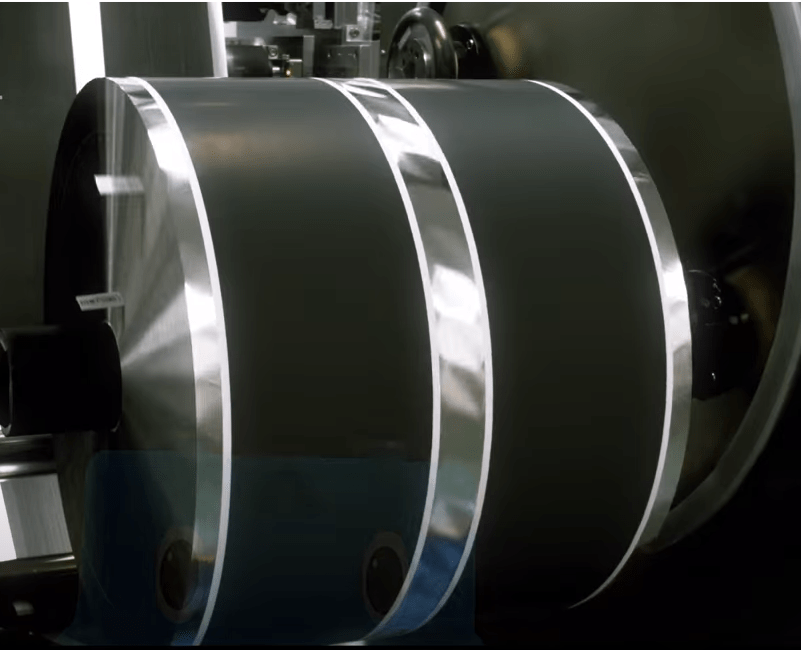
Doctor blades play a key roll in keeping the calandering rolls clean and free of debris which is essential for the performance of the final product.
Specialty coatings, applied during lithium-ion battery production using tools like slot die, doctor blade, and anilox roller, optimize energy storage and discharge efficiency by ensuring a uniform thickness of the anode and cathode materials’ electrode coating.

Separator film manufacturers use a gravure process with a doctor blade to achieve uniform ceramic coating, enhancing film performance. This technique is also used to coat anode and cathode materials with electrode slurry.
Common Doctor Blade Configurations
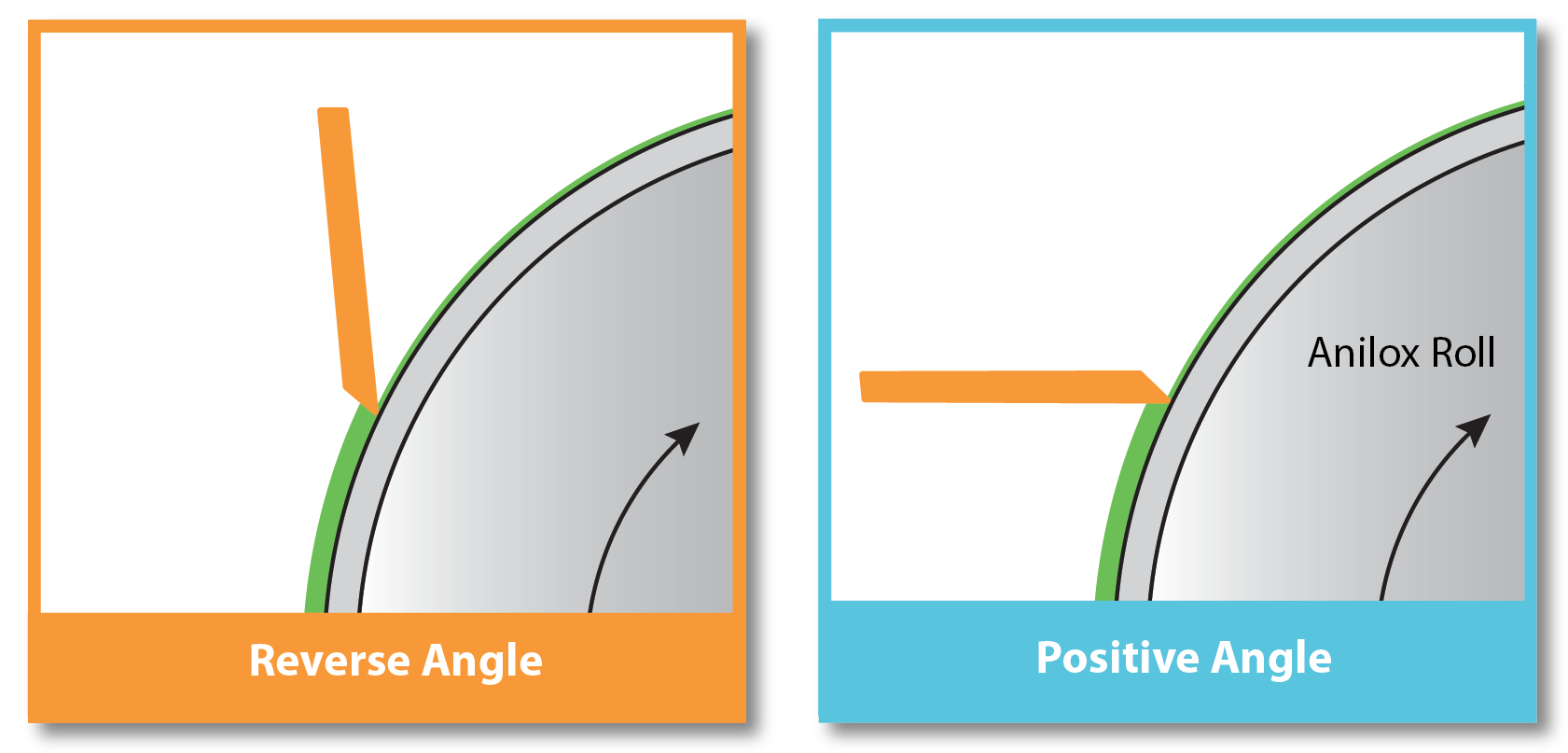
Although lithium batteries are a new technology, the methods being used for applying coatings during their production process are time tested. Both reverse angle and positive-angle metering blade configurations are used in either direction, high performance polymers with great stiffness and wear properties are required to coat consistently and reduce the number of blade changes.
Discover the future of lithium-ion batteries as Flexo Concepts unveils its revolutionary plastic doctor blade suite in an exclusive interview with The Battery Show. Last year's CIBF 2023 in Shenzhen witnessed this groundbreaking innovation, placing Flexo Concepts at the forefront of battery innovation.