Since the 1960s, corrugated printing requirements have evolved from simple logistics to eye-catching promotional packaging with SKUs and tracking information. Improvements in doctor blade materials and tip configurations have played a key role in this evolution.
1960s – Straight UHMW
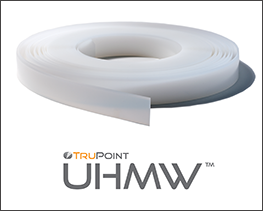 In the 1960s, corrugated printers started using doctor blades as a replacement for rubber rolls to gain control over the amount of ink transferred to the plate. The dense molecular structure of UHMW made it a good solution for printing environments that combined long runs and coarse anilox engravings. This soft, thick material was safe to handle, didn’t score anilox rolls, and was highly resistant to stress cracks and chips. It was also abrasion-resistant which gave the blades extremely long life. UHMW products were engineered in thicknesses of 2.29mm and 2.54mm which were adequate to produce the type of work being done at that time (and still in many applications today) – simple solids and lines in one to three colors.
Late 1980s – Early 1990s – Introduction of Bevels
As packaging began to take on a marketing role in the 1980s, the demand for higher quality graphics grew. Doctor blade use expanded in corrugated applications, and new press technology, including ceramic anilox rolls and doctor blade chambers, came to market. Blade manufacturers focused on developing stronger, more durable materials that could be engineered into thinner products. Blade thicknesses decreased to 2.03mm and 1.52mm, and 30° and 45° bevels were introduced to allow the blades to achieve a smaller area of contact with the anilox roll and produce higher quality print.
 Late 1990s – Early 2000s – Plastics and Composites with Finer Bevels
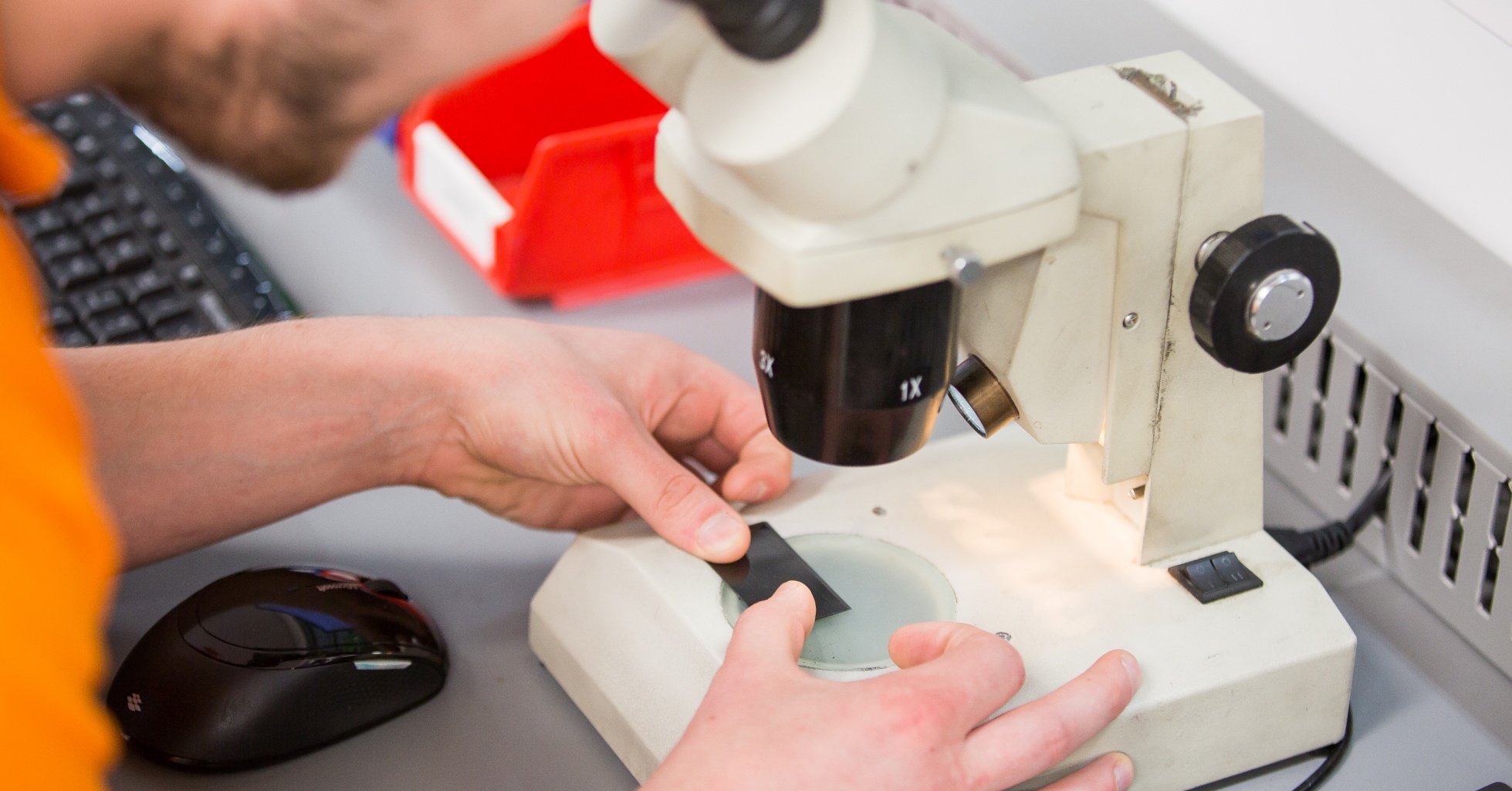
In the 1990s, suppliers continued to innovate anilox rolls and press components to meet growing packaging graphics requirements. Printers began using more advanced plastic doctor blade materials as stiffer, more durable alternatives to UHMW. Acetal blades were effective at metering moderate to high line screen rolls while providing great chemical resistance, good dimensional stability and a low coefficient of friction. These materials could be fortified with additives such as Teflon and manufactured into thicknesses of .51mm to 1.02mm. The material was able to accommodate finer bevels of 15° and 22° to produce difficult fine type and reverses. Tight weave fiberglass composites were also developed for screen and process work due to their extremely stiff and durable properties.
Mid 2000s – Next Generation UHMW
 For printers using UHMW to produce low to moderate graphics looking for longer blade life, Flexo Concepts introduced an exclusive high-density formulation UHMW blade called DuraPoint™. Still widely used today, DuraPoint’s material properties allow it to maintain more consistent metering throughout the life of the blade. DuraPoint has been shown to last 25-30% longer than traditional UHMW and is a direct replacement as both a metering and a containment blade. DuraPoint is available in the same widths and thicknesses as Flexo Concepts’ UHMW blade and offers a drop-in replacement for standard UHMW. The blade fits in existing blade clamp configurations, requiring no shims or modifications to the holder.
Today – Next Generation Polymers
Today, box makers are asked to produce packages that serve as both shipping and display vehicles. Graphics requirements are exceptionally challenging, and more colors, finer plate screens, half-tones, and higher anilox line counts are being used to produce attractive point of sale containers. Predictable ink density and color control are essential to ensure manufacturers’ brand consistency.
 As market demands increase, printers are finding that UHMW and traditional plastic products, even with bevels, can’t meter their mid-level line screen anilox rolls effectively. Some printers continue to use their existing blades and accept poor print quality or more frequent blade changes. Others are turning to steel, despite its downside – short blade life, potential for anilox scoring and risk of serious injury to press operators.
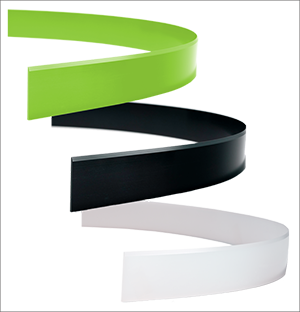
In 2017, Flexo Concepts introduced an alternative solution for printers with higher graphics requirements who don’t want to use steel. The company created TruPoint Green® – a new blade that can produce mid to high level graphics effectively, efficiently and safely. Green’s custom compounded next generation polymer material is stiff, durable, and resistant to bending, allowing for a fine contact area with the anilox roll and better print quality throughout the entire life of the blade. The material is also safe to handle and has a much lower wear rate than steel.
Along with press builders and anilox roll manufacturers, corrugated doctor blade suppliers have done their job of “keeping up with the times.” Blade materials, formulations and technology have advanced over the past half-century in pace with the demands of the packaging industry. Today’s corrugated printers have a full range of TruPoint non-metallic doctor blade options available to meet these demands. While standard UHMW, traditional plastics and composites are still the best choices in many low-moderate graphics applications, printers with high graphics requirements who want to avoid the risks associated with using steel now have a next generation polymer blade to produce quality work required in today’s market.