Yes, in most flexographic printing applications, next-generation polymer doctor blades outperform steel in safety, durability, anilox protection, and overall press efficiency.
While steel was once considered the only high-performance option, advances in engineered polymer materials now allow plastic doctor blades to deliver metering performance comparable to steel without the operational risks.
1. Are Plastic Doctor Blades Safer Than Steel?
Yes. Plastic doctor blades significantly reduce pressroom injury risk. Steel blades become razor-sharp as they wear. During blade removal and handling, operators face increased risk of cuts and accidents.
Polymer blades behave differently, even when worn, they remain safer to handle which:
- Reduces pressroom injuries
- Minimizes downtime
For printers focused on operator safety, switching from steel to polymer can directly reduce risk exposure and associated costs.
2. Can Plastic Doctor Blades Perform Like Steel?
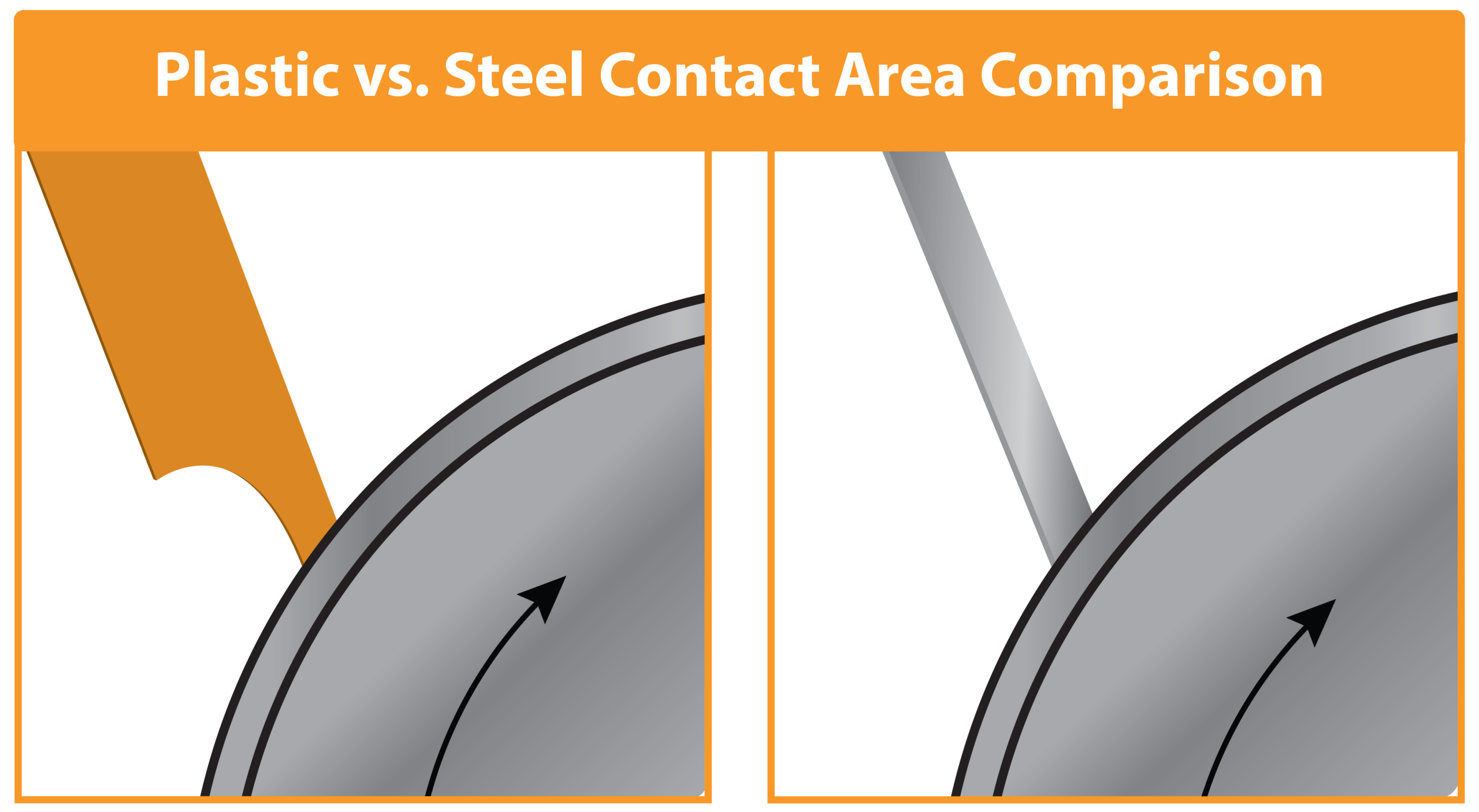 Modern engineered polymer blades can match steel in metering performance even in demanding applications.
Historically, steel blades were preferred for high-graphics work because their thin profile and rigidity allowed for a fine contact area with the anilox roll.
Because earlier plastic materials were less stiff than steel, they had to be manufactured thicker to achieve rigidity. This created:
- Increased contact area with the anilox roll
- Reduced precision on high line screen anilox rolls
- Limited use in process printing
However, next-generation polymer materials with engineered tip technology now offer:
- Improved stiffness
- Fine contact areas
- Consistent ink laydown
In addition, polymers typically have lower surface tension, which can:
- Improve ink or coating release
- Reduce UV Ink Spitting
- Ensure consistent metering
TruPoint doctor blades are ideal for everyday process printing, solids, screens, and reverses.
3. Do Plastic Doctor Blades Last Longer Than Steel?
Yes. Polymer doctor blades generally provide longer service life.
Engineered polymer materials are:
- Tough enough for white inks and varnishes
- Resistant to special effects coatings
- Self-lubricating with low coefficients of friction
Reduced friction means less mechanical wear. Fewer blade changes mean:
- Less press downtime
- More consistent production runs
- Longer blade life contributes directly to improved press efficiency.
4. Do Plastic Doctor Blades Protect Anilox Rolls?
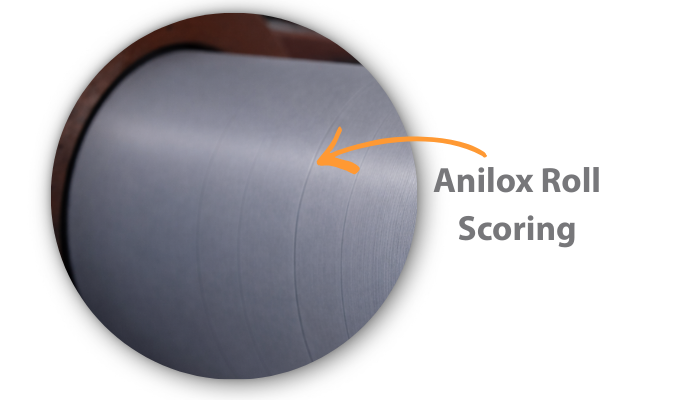 Yes. Polymer blades are non-abrasive and significantly reduce the risk of anilox scoring.
Scoring often arises from debris trapped between the doctor blade and the anilox roll. Excess pressure can cause metal particles to break away and the metal to ceramic friction can erode cell walls.
Anilox damage results in:
- Print defects
- Ink and coating transfer inconsistency
- Increased waste
- Expensive roll repair or replacement
Polymer blades are non-metallic and non-abrasive. When properly installed, they:
- Do not score ceramic surfaces
- Reduce long-term anilox wear
- Support stable ink transfer performance
For printers managing high-value anilox inventories, this protection is critical.
5. Can Plastic Doctor Blades Work in Modern Chamber Systems?
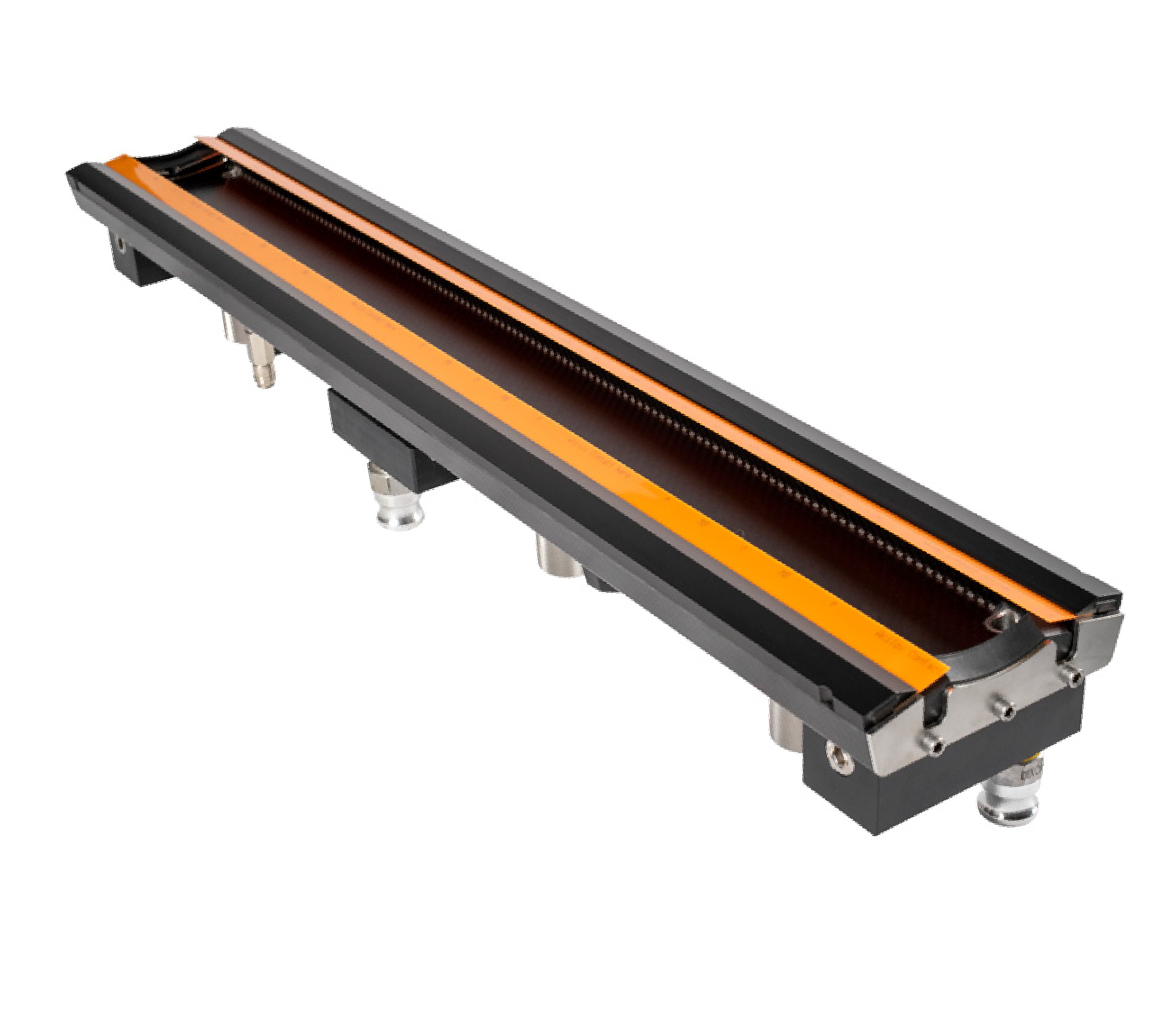 Yes. While early chamber systems were designed for steel blades, modern blade holders now accommodate a range of blade thicknesses.
Manufacturers such as TRESU offer interchangeable clamp systems that allow operators to:
- Run polymer or steel blades
- Switch materials depending on job requirements
- Maintain flexibility across applications
This compatibility removes one of the historical barriers to switching from steel.
Steel vs. Plastic Doctor Blades: Quick Comparison
| Feature | Steel Doctor Blades | Next Generation Polymer Doctor Blades |
|---|---|---|
| Operator Safety | High injury risk when handled | Significantly safer handling |
| Anilox Protection | Risk of anilox roll scoring | Non-abrasive on anilox rolls |
| Blade Life | Moderate | Longer in many applications |
| High Graphics Capability | Historically strong | Now comparable to steel with engineered tips |
Why Printers Are Moving Toward Polymer Doctor Blades
Today’s flexographic printers face:
- Higher quality expectations
- Increased safety standards
- Pressure to reduce downtime
- Rising anilox replacement costs
- Sustainability reporting requirements
Engineered polymer doctor blades address all of these simultaneously.
They deliver:
- Safety
- Durability
- Anilox protection
- Competitive graphics performance
- Operational cost savings
The Bottom Line
Plastic doctor blade materials are no longer limited to basic applications. With advances in polymer chemistry and tip engineering, they now compete directly with steel in demanding flexographic printing environments.
For many pressrooms, polymer doctor blades are not just an alternative, they are a strategic upgrade.