Doctor Blades for Narrow Web Printing
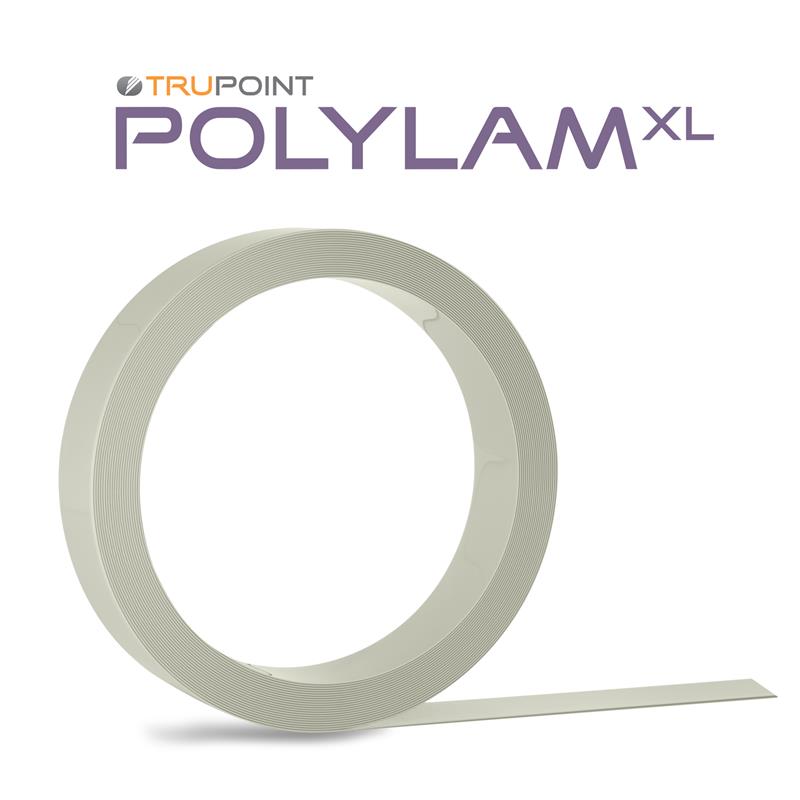
Thickness: 0.71mm
Width: 1.7mm - 50.8mm
Format: Rolls & Cut-to-Length
Profile: Bevel: 15°, Microtip: M10
High Performance Doctor Blades
For Narrow Web Printing
If you’re a narrow-web printer, TruPoint® PolyLam delivers a complete metering solution for everyday process printing. TruPoint® PolyLam XL, our most advanced innovation since TruPoint® Orange, is built from real pressroom feedback to deliver enhanced stiffness, improved durability, and longer-lasting performance. Featuring the MicroTip™ configuration, PolyLam provides precise, consistent metering for exceptional print quality and predictable wear over long runs.
What is Narrow Web Flexographic Printing?
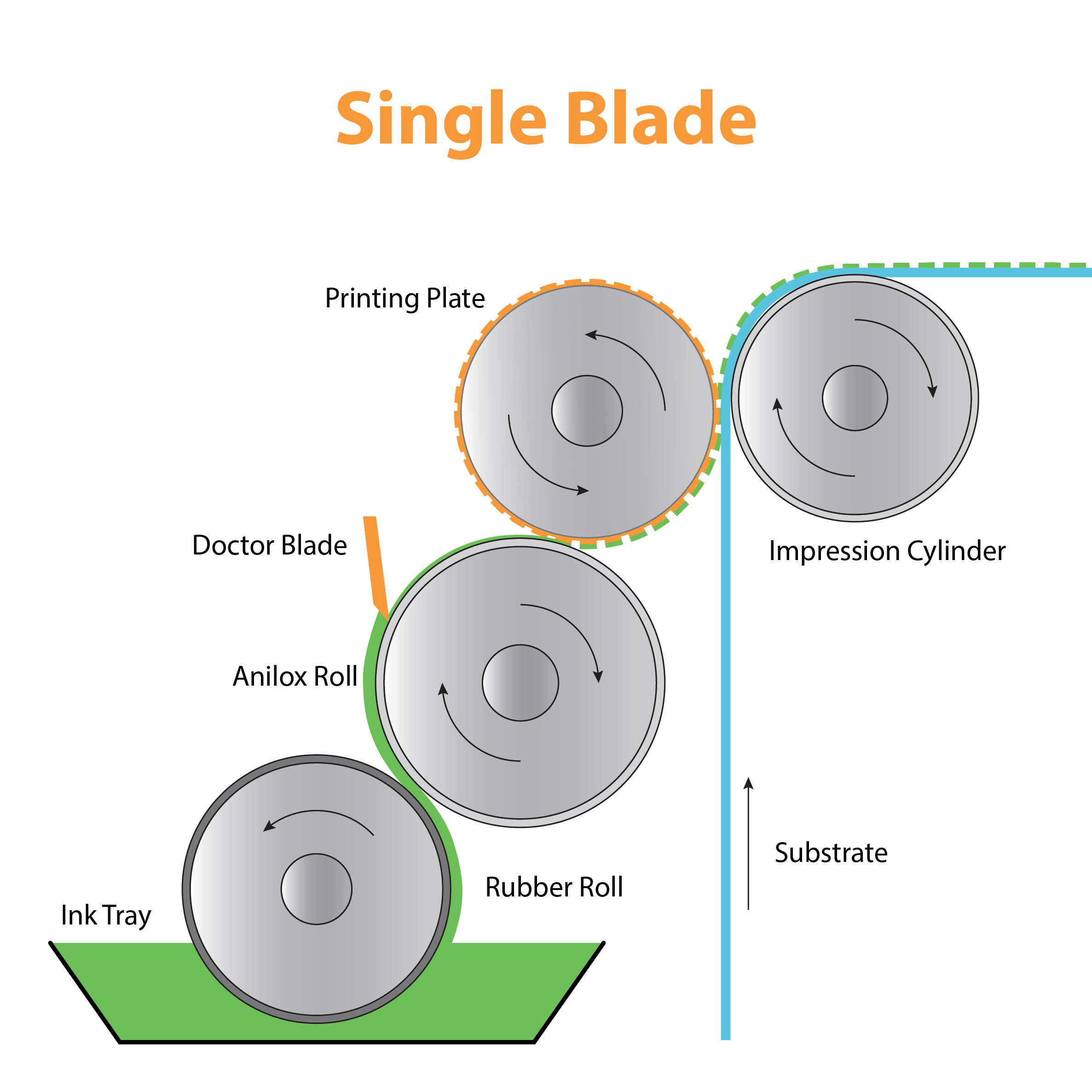
In narrow web flexographic printing, a doctor blade wipes excess ink from the anilox roll so only the correct amount of ink transfers to the printing plate, ensuring clean dots and consistent color, especially during high-speed runs. Choosing the right blade — such as TruPoint® PolyLam XL with MicroTip™ technology — improves ink control, reduces anilox wear and scoring, enhances pressroom safety, and delivers reliable performance with white inks, primers, and coatings compared to traditional steel blades. Proper blade selection also helps minimize downtime, maintain stable print density, extend anilox life, and improve overall press efficiency.
What does a doctor blades in narrow web printing do?
In narrow web flexographic printing, a doctor blade meters ink by wiping excess ink from the anilox roll so only the correct amount transfers to the printing plate. This process ensures clean dots, consistent color, reduced anilox wear, and stable print quality at high press speeds.
Why is blade choice important?
The right blade improves ink control, reduces anilox scoring and wear, enhances pressroom safety, and minimizes press stops by stabilizing print density and lowering maintenance.
Why Use PolyLam XL Doctor Blades
Instead of Steel?
Polymer doctor blades are widely used in narrow web flexographic printing as a safer, more consistent alternative to steel.
Benefits of polymer doctor blades include:
More consistent wipe and ink control
Reduced anilox wear and scoring
Improved pressroom safety
Reliable performance with white inks and coatings

Why Use Polymer Doctor Blades in Narrow Web Printing?
TruPoint Polylam XL doctor blades are preferred in narrow web printing because they:
-
Deliver more consistent metering than steel
-
Reduce anilox damage and scoring
-
Improve pressroom safety
-
Perform reliably with white inks, coatings, and primers